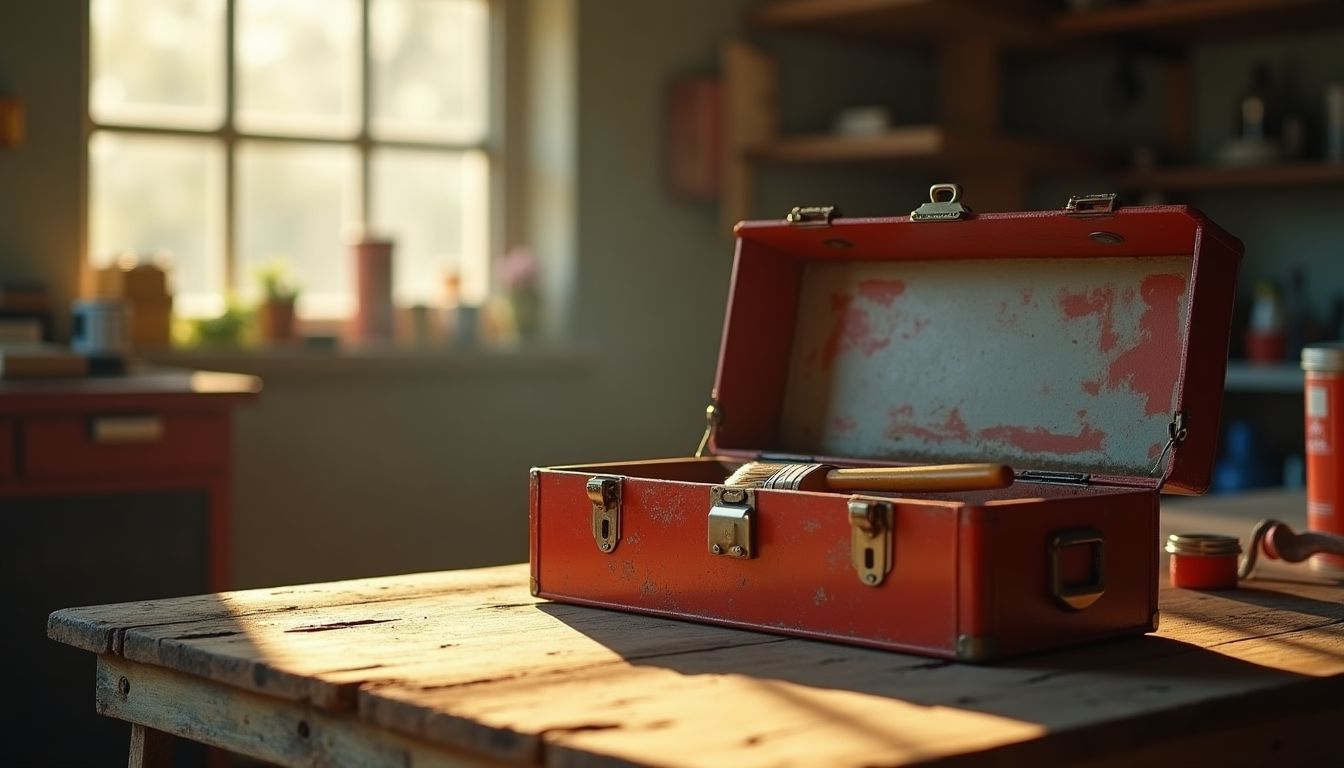
Most of what makes a house feel fragile is not big money — it is the small jobs nobody has shown you once: unclogging a sink, stopping a running toilet, bleeding a cold radiator, hanging a shelf that stays up, painting a room without three trips to the shop. This hub teaches the practical basics with honest tools: paint a room time and cost estimates, starter tool kit costs, smoke alarm plans by floor, caulk needs by the tube, home repair fund targets and seasonal home checks — plus plain-language guides for tap washers, door hinges and creaks, locks, curtain rails, plastering small holes, deck and fence upkeep, appliance filters, emergency water, gas and power shut-offs, garden and compost basics and more. Educational only and honest about limits: gas, electrics, drainage and structural work are jobs for licensed tradespeople, and every tool says so. Free instantly; the full personalised report costs less than a coffee: $2.95.

The first tool kit is a decision most people make twice: once when they buy a box of fifty cheap pieces that round off on the first real screw, and again when they buy the decent tools the jobs actually need. This builder short-circuits the loop with three honest, mid-range-priced tiers — a starter kit of ten basics that covers first-year home jobs, a weekend kit adding the cordless drill and its companions, and a project kit for bigger jobs — each priced at real street prices and itemised so you can see exactly what you are buying. Choose the tier that matches the jobs you do, enter the budget you can honestly spend now, and the tool compares the two: it tells you plainly when the kit fits, when you are close enough to stretch, and when the honest move is to save toward the tier rather than buy a cheaper incomplete version of it. Tools bought twice are the expensive ones.
See exactly what a sensible starter tool kit contains and what it costs at honest mid-range prices — then check it against the budget you can spend now and get a plain recommendation on the tier to start with.
A claw hammer, tape measure, screwdriver set, adjustable wrench, pliers, a spirit level, a utility knife, a flashlight, duct tape and a stud finder cover the overwhelming majority of first-year home jobs — hanging, tightening, assembling and small repairs — for roughly the price of one mediocre power-tool bundle.
A cordless drill/driver: driving and drilling appear in almost every job after the first week, and a good mid-range drill with a spare battery serves for years. Saws, sanders and ladders only earn their money when a specific project needs them, so buy them then.
Buy the smaller quality kit. The cheapest tools round off, strip screws and cost more in frustration than the price difference, while the most expensive brands are a genuine luxury. The honest sweet spot is mid-range, bought a tool at a time as jobs demand it.
Every tool answers instantly from our own knowledge and calculators — no AI wait, no account. Honest, practical DIY and home-care basics, always educational and never a guarantee of outcomes: unclogging a sink or toilet, fixing a running toilet, changing a tap washer, bleeding radiators, door hinge and creak fixes, locksmith-free lock fixes, hanging pictures, shelves and curtain rails safely, painting a room with time and cost estimates, caulking and sealing, plastering small holes, a starter tool kit with real costs, deck and fence upkeep, appliance filter cleaning schedules, smoke alarm plans by floor, emergency water, gas and power shut-offs, home repair fund targets, garden and compost basics and seasonal home checks. Each tool states its limits plainly: gas, electrics, drainage and structural work are jobs for licensed tradespeople, and nothing you type is stored. Results are estimates and learning aids, not professional advice. Want the deeper, personalised version? Each has a $2.95 full report.