
πŸͺšHome SkillsHub ✦ phyrenix.com
✦ 18 HOME SKILLS TOOLS · FREE INSTANT ANSWERS

Home skills answers that make the house feel less fragile.

Most of what makes a house feel fragile is not big money — it is the small jobs nobody has shown you once: unclogging a sink, stopping a running toilet, bleeding a cold radiator, hanging a shelf that stays up, painting a room without three trips to the shop. This hub teaches the practical basics with honest tools: paint a room time and cost estimates, starter tool kit costs, smoke alarm plans by floor, caulk needs by the tube, home repair fund targets and seasonal home checks — plus plain-language guides for tap washers, door hinges and creaks, locks, curtain rails, plastering small holes, deck and fence upkeep, appliance filters, emergency water, gas and power shut-offs, garden and compost basics and more. Educational only and honest about limits: gas, electrics, drainage and structural work are jobs for licensed tradespeople, and every tool says so. Free instantly; the full personalised report costs less than a coffee: $2.95.
18 toolsFree instant local answers β‰ˆ one coffee ($2.95) for the full reportNo sign-up Β· No spam Β· Educational

Garden and Compost Basics: Lawn, Weeds and Seasons

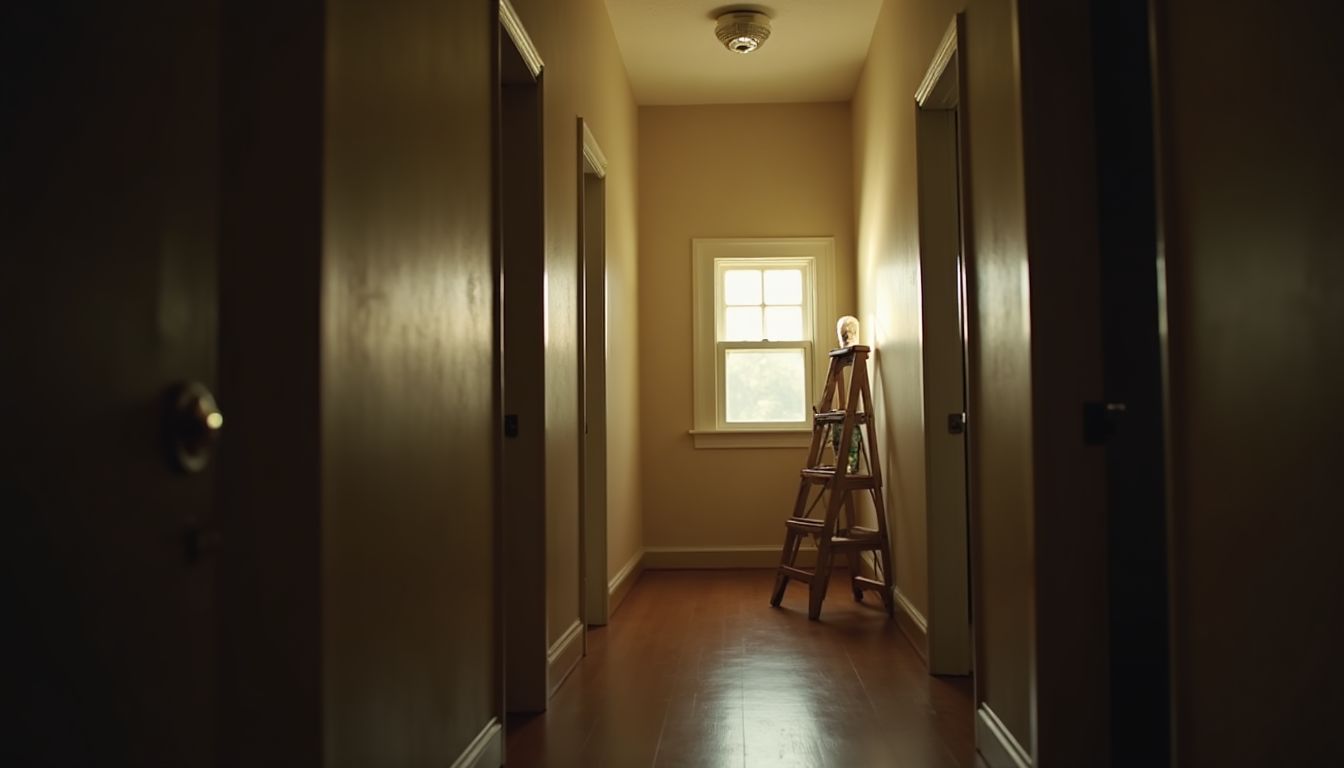
A cinematic photograph of a calm home hallway with a labelled fuse box door ajar and a smoke alarm on the ceiling catching evening light, deep green and charcoal tones, photorealistic, no text

A garden is a calendar more than a contest, and the basics are fewer than most people fear. Lawns grow fastest in the mild seasons, so the honest rhythm is mowing regularly enough to remove no more than a third of the blade height at a time, feeding lightly in spring and autumn rather than heavily in summer heat, and leaving clippings on the lawn in dry spells to return nitrogen. Weeds are information before they are enemies: annual weeds lose to stopping their seed, while perennials come back from roots and runners and need the root removed β€” which is why identifying the weed comes before choosing the war. Compost, meanwhile, is a two-bin recipe of roughly equal greens and browns kept damp but not sodden, and the only things that smell are the mistakes: too wet, too green, or too compacted. This guide covers all three β€” lawn, weeds and compost β€” with the seasonal rhythm that keeps the whole garden honest without turning it into a second job.

⚑ Free instant check

The calm seasonal rhythm of a basic garden β€” when to mow, feed and weed, how to read a weed, and how to run a compost bin that turns kitchen scraps and clippings into free soil.

Answer 0-10 (10 = the stronger end for every question β€” no wrong answers). Your answers stay on this device β€” nothing is stored.

Unsure they all work β€” 5 β€” Right places, tested monthly
I would hunt in a crisis β€” 5 β€” Known and labelled
After problems β€” 5 β€” On a twice-yearly calendar
No fund yet β€” 5 β€” Automated monthly

Why it matters

  • Lawn care is a calendar, not a contest: grass grows fastest in the mild seasons (spring and autumn in most temperate climates), so the honest rhythm is mowing regularly enough to remove no more than a third of the blade height at a time, feeding lightly in spring and autumn rather than heavily in summer heat, and leaving clippings on the lawn in dry spells to return nitrogen β€” a good lawn is mostly about not scalping it and not drowning it.
  • Weeds are information before they are enemies: annual weeds (like chickweed and groundsel) live and die in one season and are beaten by stopping them seeding, while perennial weeds (dandelions, docks, couch grass) come back from roots and runners and need the root removed or repeatedly weakened β€” the honest rule is to identify the weed before choosing the war, because the wrong weapon wastes a season.
  • Compost is a two-bin recipe, not a mystery: roughly equal parts green (kitchen scraps, grass clippings, soft prunings β€” the nitrogen) and brown (dry leaves, cardboard, straw β€” the carbon), kept about as damp as a wrung-out sponge and turned occasionally, breaks down into dark crumbly soil in a few months to a year, and the only things that smell are the mistakes: too wet, too green, or too compacted.
  • The compost no-list is short and firm: no meat, dairy, or cooked food with oils (they smell and attract pests), no diseased plants, no weeds that have gone to seed unless the heap gets hot, and no cat or dog waste β€” and a compost bin that is mostly browns sits there, which is why the greens-to-browns balance is the whole skill.

Your checklist

  • Walk the garden with the season in mind and write the three jobs that matter this month β€” mowing, feeding, or weeding.
  • Mow on the third-blade rule: never remove more than a third of the grass height at once, and raise the cut in hot, dry weather.
  • Identify each weed you pull before you pull it: annuals lose to stopping seed, perennials lose to root removal.
  • Start or check the compost: keep greens and browns roughly balanced, damp but not sodden, and turned every few weeks.
  • Keep the no-list out of the bin: no meat, dairy, oily cooked food, seeded weeds, or pet waste.
  • Do not fight the seasons: in the coldest and hottest months the honest garden task is less β€” maintenance, not transformation.

❓ Garden and Compost Basics: Lawn, Weeds and Seasons β€” FAQ

How often should I mow my lawn?

Often enough that you never remove more than a third of the grass height in one cut β€” for most lawns that is weekly in the growing season and every couple of weeks when growth slows. Raise the cut height in hot, dry weather and leave clippings on the lawn to return nitrogen.

How do I stop weeds coming back?

Identify the weed first: annual weeds die in one season, so stopping them setting seed wins the war, while perennials regrow from roots and runners and need the root removed or repeatedly weakened. Then tackle the underlying cause β€” thin grass and bare soil invite weeds in.

What can I put in the compost bin?

Roughly equal parts green (kitchen scraps, grass clippings, soft prunings) and brown (dry leaves, cardboard, straw), kept as damp as a wrung-out sponge and turned occasionally. Leave out meat, dairy, oily cooked food, diseased plants, seeded weeds and pet waste.

πŸͺš All home skills tools

Every tool answers instantly from our own knowledge and calculators — no AI wait, no account. Honest, practical DIY and home-care basics, always educational and never a guarantee of outcomes: unclogging a sink or toilet, fixing a running toilet, changing a tap washer, bleeding radiators, door hinge and creak fixes, locksmith-free lock fixes, hanging pictures, shelves and curtain rails safely, painting a room with time and cost estimates, caulking and sealing, plastering small holes, a starter tool kit with real costs, deck and fence upkeep, appliance filter cleaning schedules, smoke alarm plans by floor, emergency water, gas and power shut-offs, home repair fund targets, garden and compost basics and seasonal home checks. Each tool states its limits plainly: gas, electrics, drainage and structural work are jobs for licensed tradespeople, and nothing you type is stored. Results are estimates and learning aids, not professional advice. Want the deeper, personalised version? Each has a $2.95 full report.

πŸ”§ Fix It Basics
🎨 Paint & Put Up
🏑 Home Care & Safety
Educational home-skills information only — not professional advice, and never a guarantee of outcomes. These are the basics that work for typical homes, written from a general DIY perspective: codes, fittings and systems vary, and any job involving gas, electrics, drainage, or the structure of the building is a job for a licensed tradesperson in most places. If a fix is not working or you are not sure, stop and call a professional — that is a skill too. Refunds honoured.
Β© 2026 Home Skills Hub Β· part of the phyrenix.com network Β· WebMCP manifest Β· tools.json