🪚Home SkillsHub ✦ phyrenix.com
✦ 18 HOME SKILLS TOOLS · FREE INSTANT ANSWERS

Home skills answers that make the house feel less fragile.

Most of what makes a house feel fragile is not big money — it is the small jobs nobody has shown you once: unclogging a sink, stopping a running toilet, bleeding a cold radiator, hanging a shelf that stays up, painting a room without three trips to the shop. This hub teaches the practical basics with honest tools: paint a room time and cost estimates, starter tool kit costs, smoke alarm plans by floor, caulk needs by the tube, home repair fund targets and seasonal home checks — plus plain-language guides for tap washers, door hinges and creaks, locks, curtain rails, plastering small holes, deck and fence upkeep, appliance filters, emergency water, gas and power shut-offs, garden and compost basics and more. Educational only and honest about limits: gas, electrics, drainage and structural work are jobs for licensed tradespeople, and every tool says so. Free instantly; the full personalised report costs less than a coffee: $2.95.
18 toolsFree instant local answers ≈ one coffee ($2.95) for the full reportNo sign-up · No spam · Educational

Seasonal Home Checks: Six-Point Readiness Score

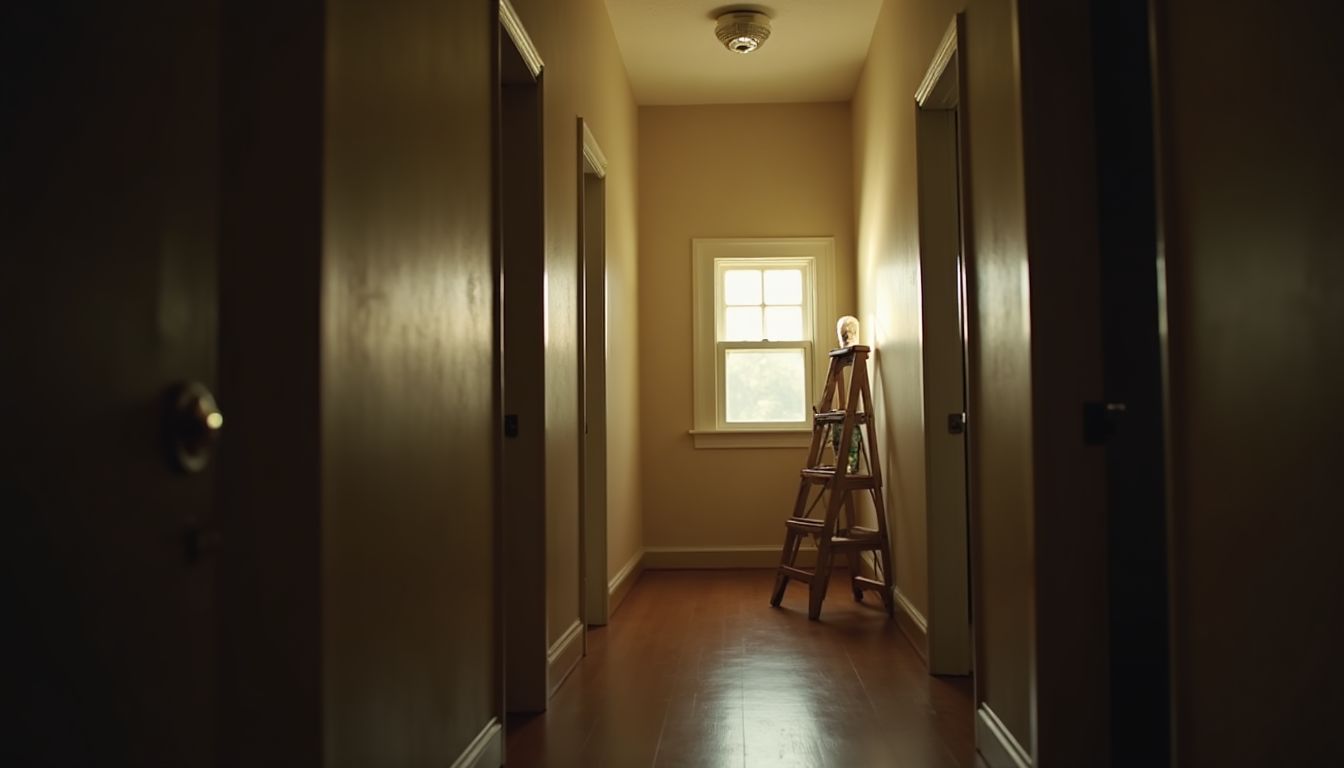
A cinematic photograph of a calm home hallway with a labelled fuse box door ajar and a smoke alarm on the ceiling catching evening light, deep green and charcoal tones, photorealistic, no text

The seasons punish the unprepared home in predictable ways: autumn leaves clog gutters and drains, winter freezes burst exposed pipes and strain the heating, spring rain finds every roof weakness, and summer heat tests ventilation and the garden. The same six-point readiness check, run twice a year, catches almost all of it before it becomes an emergency. This check scores six areas on a 0-10 scale — roof and gutters, heating and cooling, plumbing and leaks, safety alarms, exterior and drainage, and winter-ready details — and returns an honest readiness score out of 60 with the single weakest area named, because the season always finds the weakest seam first. The verdicts are practical rather than alarming: a strong score keeps its calendar honest, a middling score gets one concrete weekend job, and a low score starts with the two non-negotiables — testing every alarm and walking the property for active leaks — before working through the rest.

⚡ Free instant check

Rate six seasonal-readiness areas on a 0-10 scale and get an honest score for how ready the home is for the season ahead — plus the single weakest area to fix first, every time.

❓ Seasonal Home Checks: Six-Point Readiness Score — FAQ

When should I do a seasonal home check?

Twice a year is the honest rhythm: once in autumn before the wet and cold arrive, and once in spring before summer. The same six areas each time — gutters, heating and cooling, plumbing, alarms, exterior and winter-ready details — catch problems while they are still cheap.

What is the most important thing to check each season?

The safety basics never wait for a season: test every smoke and CO alarm monthly and replace anything past its date. After that, the seasonal priority is water — clear gutters and drains in autumn, drain hoses and protect exposed pipes before frost, and check for leaks after every storm.

Why does my score keep coming out low in the same area?

A low score two seasons running is not a habit problem — it is a signal that the job is bigger than a seasonal check. A gutter that always needs clearing may need a guard or repair; an area that never passes deserves a tradesperson's quote rather than another reminder.

🪚 All home skills tools

Every tool answers instantly from our own knowledge and calculators — no AI wait, no account. Honest, practical DIY and home-care basics, always educational and never a guarantee of outcomes: unclogging a sink or toilet, fixing a running toilet, changing a tap washer, bleeding radiators, door hinge and creak fixes, locksmith-free lock fixes, hanging pictures, shelves and curtain rails safely, painting a room with time and cost estimates, caulking and sealing, plastering small holes, a starter tool kit with real costs, deck and fence upkeep, appliance filter cleaning schedules, smoke alarm plans by floor, emergency water, gas and power shut-offs, home repair fund targets, garden and compost basics and seasonal home checks. Each tool states its limits plainly: gas, electrics, drainage and structural work are jobs for licensed tradespeople, and nothing you type is stored. Results are estimates and learning aids, not professional advice. Want the deeper, personalised version? Each has a $2.95 full report.

🔧 Fix It Basics
🎨 Paint & Put Up
🏡 Home Care & Safety
Educational home-skills information only — not professional advice, and never a guarantee of outcomes. These are the basics that work for typical homes, written from a general DIY perspective: codes, fittings and systems vary, and any job involving gas, electrics, drainage, or the structure of the building is a job for a licensed tradesperson in most places. If a fix is not working or you are not sure, stop and call a professional — that is a skill too. Refunds honoured.
© 2026 Home Skills Hub · part of the phyrenix.com network · WebMCP manifest · tools.json