Most of what makes a house feel fragile is not big money — it is the small jobs nobody has shown you once: unclogging a sink, stopping a running toilet, bleeding a cold radiator, hanging a shelf that stays up, painting a room without three trips to the shop. This hub teaches the practical basics with honest tools: paint a room time and cost estimates, starter tool kit costs, smoke alarm plans by floor, caulk needs by the tube, home repair fund targets and seasonal home checks — plus plain-language guides for tap washers, door hinges and creaks, locks, curtain rails, plastering small holes, deck and fence upkeep, appliance filters, emergency water, gas and power shut-offs, garden and compost basics and more. Educational only and honest about limits: gas, electrics, drainage and structural work are jobs for licensed tradespeople, and every tool says so. Free instantly; the full personalised report costs less than a coffee: $2.95.
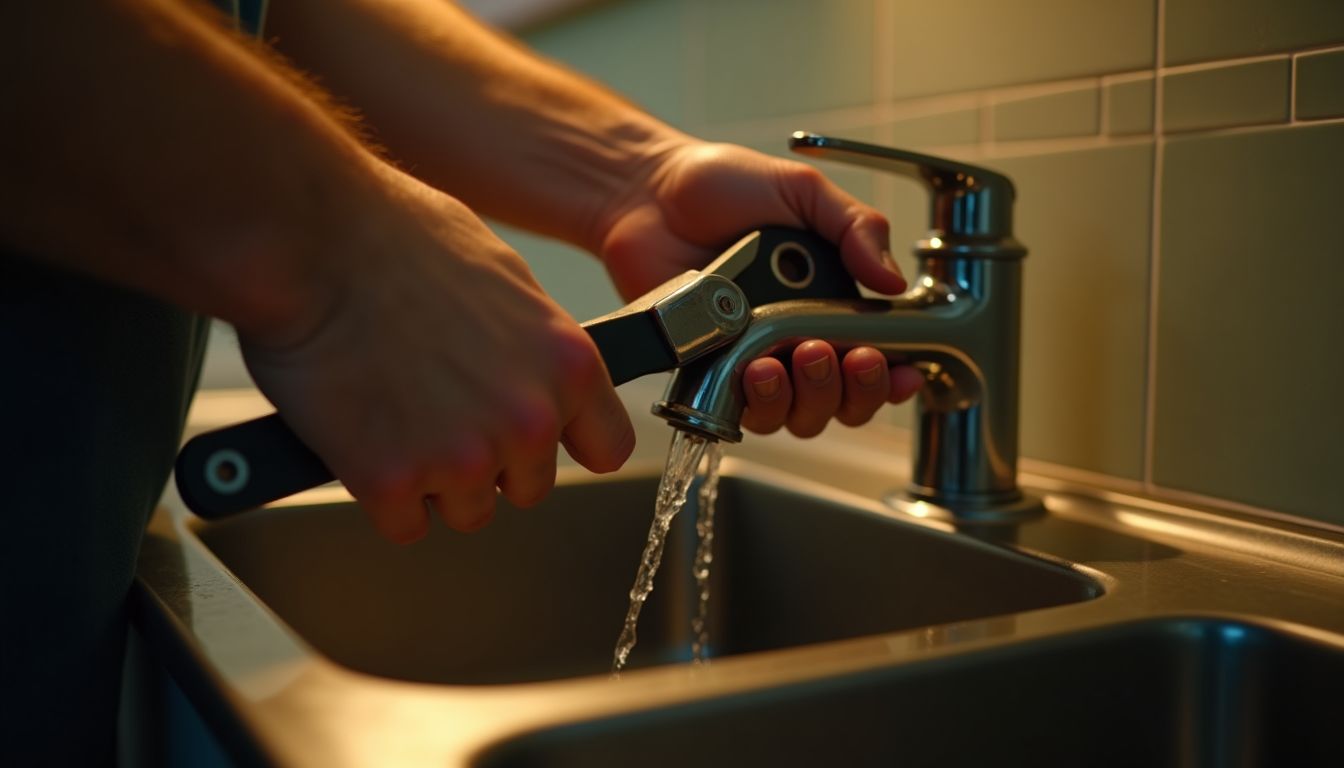
A radiator that is hot at the bottom and cold at the top has trapped air, not a broken radiator: air rises and collects in the top of the radiator, stopping hot water from reaching it. Bleeding lets that air out β a two-minute, one-tool job when done on the right day. This guide covers the full honest sequence: turning the heating off so the pump is not circulating, finding the bleed valve at the top corner, opening it a quarter-turn with a cloth underneath, and listening for the hiss that becomes a steady trickle of water β the trickle being the signal that all the air is out. It then covers the two follow-ups people skip: working through the whole house starting from the lowest radiator, and checking the boiler pressure gauge afterwards, because bleeding releases water from the system and pressure can drop below the healthy 1-1.5 bar range.
Why radiators go cold at the top, how to bleed them safely with a radiator key, and the boiler-pressure checks and honest heating-engineer moments that keep the whole system healthy.
The classic sign is a radiator that is warm at the bottom but cool at the top β trapped air collects in the top and blocks the hot water. If the whole radiator is cold, the problem is more likely the boiler, the pump or a closed valve rather than air.
That is the sign to stop β a steady trickle of water means all the air has been pushed out and the valve can be closed. A little water is normal and the cloth underneath catches it; if water pours out immediately, the radiator may need its valve or system checked.
Bleeding releases air but also a little water, which lowers system pressure. After a round of bleeding, check the gauge when the system is cold and top up to the marked range (typically 1-1.5 bar) via the filling loop. If pressure keeps dropping, there is a leak β call a heating engineer.
Every tool answers instantly from our own knowledge and calculators — no AI wait, no account. Honest, practical DIY and home-care basics, always educational and never a guarantee of outcomes: unclogging a sink or toilet, fixing a running toilet, changing a tap washer, bleeding radiators, door hinge and creak fixes, locksmith-free lock fixes, hanging pictures, shelves and curtain rails safely, painting a room with time and cost estimates, caulking and sealing, plastering small holes, a starter tool kit with real costs, deck and fence upkeep, appliance filter cleaning schedules, smoke alarm plans by floor, emergency water, gas and power shut-offs, home repair fund targets, garden and compost basics and seasonal home checks. Each tool states its limits plainly: gas, electrics, drainage and structural work are jobs for licensed tradespeople, and nothing you type is stored. Results are estimates and learning aids, not professional advice. Want the deeper, personalised version? Each has a $2.95 full report.