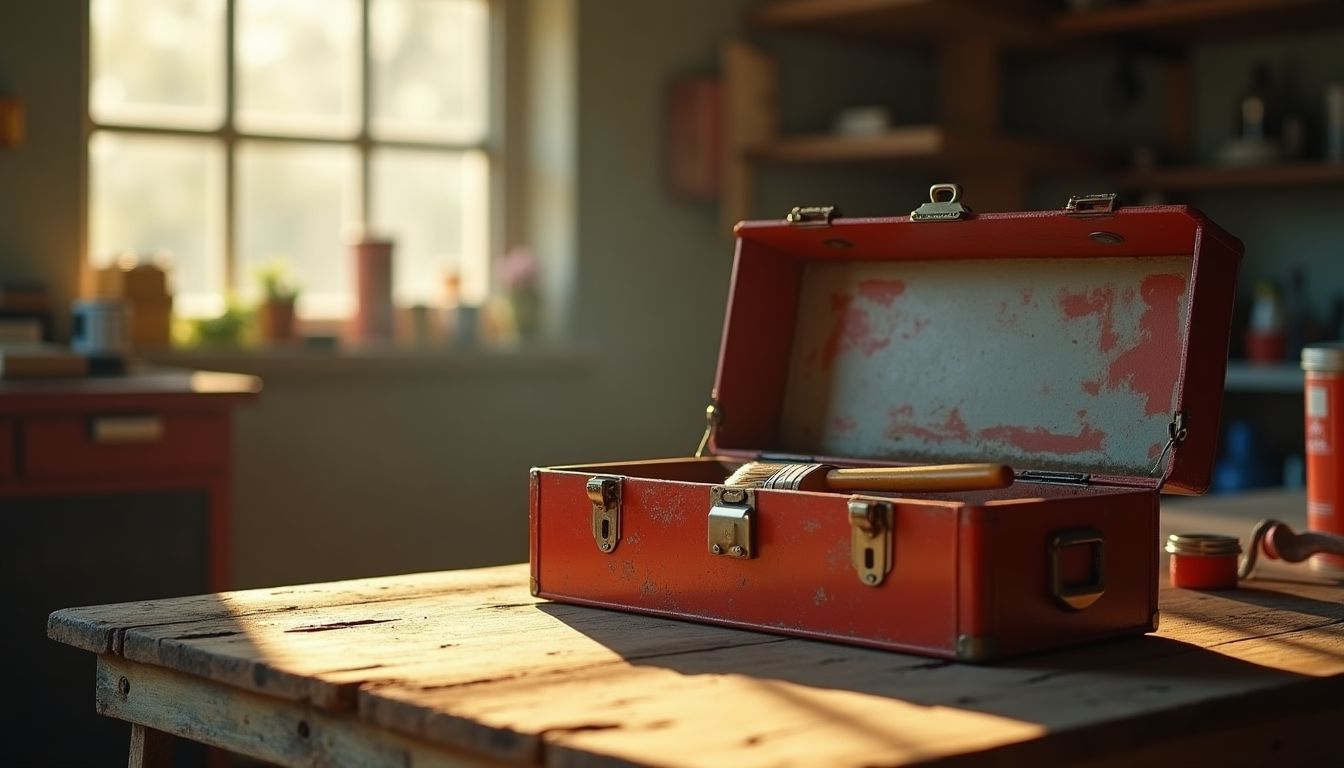
Most of what makes a house feel fragile is not big money — it is the small jobs nobody has shown you once: unclogging a sink, stopping a running toilet, bleeding a cold radiator, hanging a shelf that stays up, painting a room without three trips to the shop. This hub teaches the practical basics with honest tools: paint a room time and cost estimates, starter tool kit costs, smoke alarm plans by floor, caulk needs by the tube, home repair fund targets and seasonal home checks — plus plain-language guides for tap washers, door hinges and creaks, locks, curtain rails, plastering small holes, deck and fence upkeep, appliance filters, emergency water, gas and power shut-offs, garden and compost basics and more. Educational only and honest about limits: gas, electrics, drainage and structural work are jobs for licensed tradespeople, and every tool says so. Free instantly; the full personalised report costs less than a coffee: $2.95.
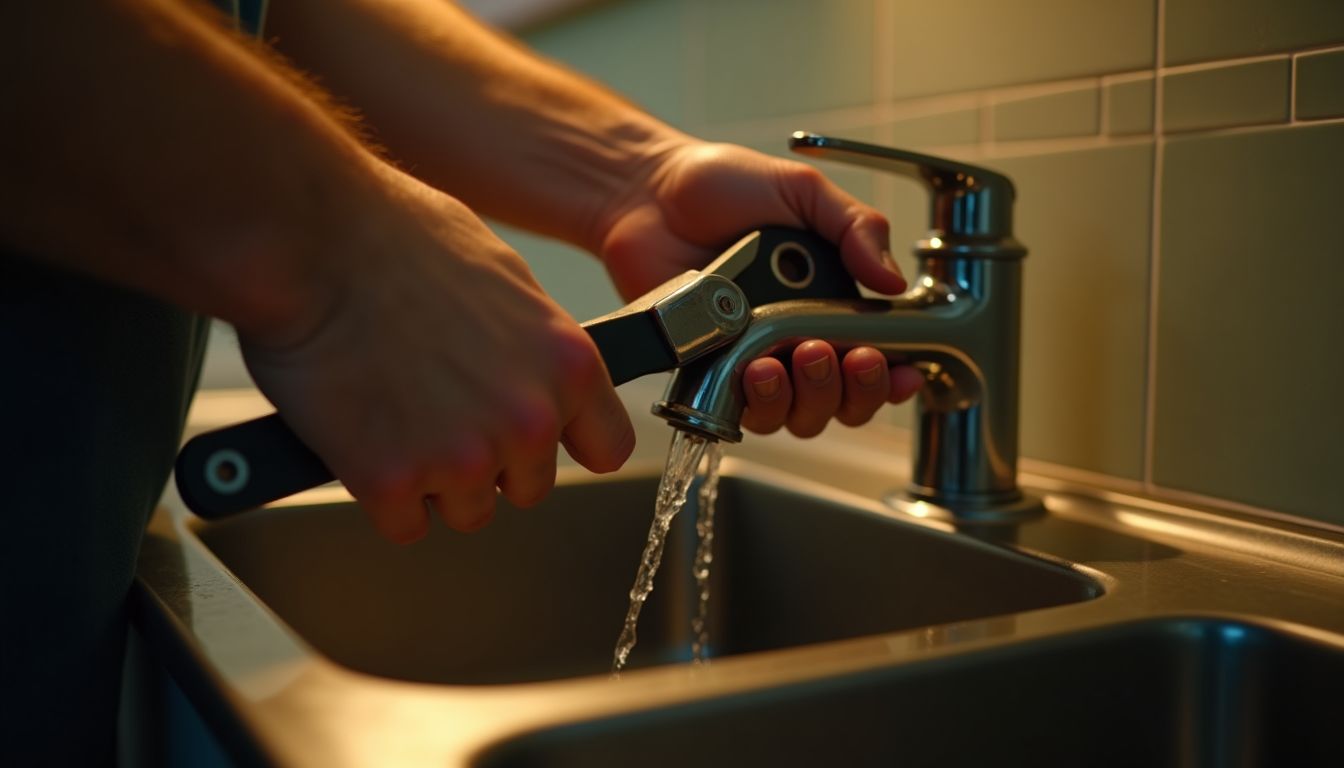
Before a locksmith is ever needed, most ordinary lock troubles answer to three cheap fixes. A sticky lock or a key that jams is usually old grease gone tacky or dust packed into the mechanism β the right first move is a dry lubricant (graphite powder or PTFE spray) in the keyway, never oil, which attracts dust and makes things worse over weeks. A latch that will not catch is usually the striker plate sitting a couple of millimetres out of line: chalk or lipstick on the latch shows where it actually lands, and a small plate adjustment fixes it. A drooping handle or sloppy deadbolt is usually loose screws behind the plate β tighten them, and pack stripped holes with glue-dipped toothpicks exactly as you would a hinge. This guide covers all three, then draws the honest boundary: snapped keys, seized locks, lost keys, or anything odd on an exterior door is a locksmith's moment β and a key that will not turn is never something to force.
Sticky locks, keys that will not turn, and latches that will not catch β the lubrication, alignment and screw fixes to try first, plus the honest moment to stop and call a locksmith.
A dry lubricant: graphite powder or a PTFE spray, applied into the keyway and worked with the key. Oil-based lubricants attract dust and grit, which pack into the mechanism and make a sticky lock worse within weeks.
Check the striker plate alignment β the latch may be catching on the plate's edge. Smear the latch with chalk or lipstick, close the door, and see where it marks; a small adjustment or light filing of the plate usually fixes it. Also check the lock and handle screws are tight.
Call a locksmith for a snapped key, a lock that stays seized after proper lubrication, lost keys, or any exterior-door lock that behaves oddly. Never force a key that will not turn β a broken key in the lock turns a small job into a bigger one.
Every tool answers instantly from our own knowledge and calculators — no AI wait, no account. Honest, practical DIY and home-care basics, always educational and never a guarantee of outcomes: unclogging a sink or toilet, fixing a running toilet, changing a tap washer, bleeding radiators, door hinge and creak fixes, locksmith-free lock fixes, hanging pictures, shelves and curtain rails safely, painting a room with time and cost estimates, caulking and sealing, plastering small holes, a starter tool kit with real costs, deck and fence upkeep, appliance filter cleaning schedules, smoke alarm plans by floor, emergency water, gas and power shut-offs, home repair fund targets, garden and compost basics and seasonal home checks. Each tool states its limits plainly: gas, electrics, drainage and structural work are jobs for licensed tradespeople, and nothing you type is stored. Results are estimates and learning aids, not professional advice. Want the deeper, personalised version? Each has a $2.95 full report.